

Why I Think “We’ll Fix It After” Is a Bad Idea for Your Data Migration
5 Ways to Limit the Chaos
Published 22 April 2026
If you’ve ever been involved in a data migration project, you’ve probably heard the phrase: “We’ll fix it after the migration.” Cue the involuntary shiver.
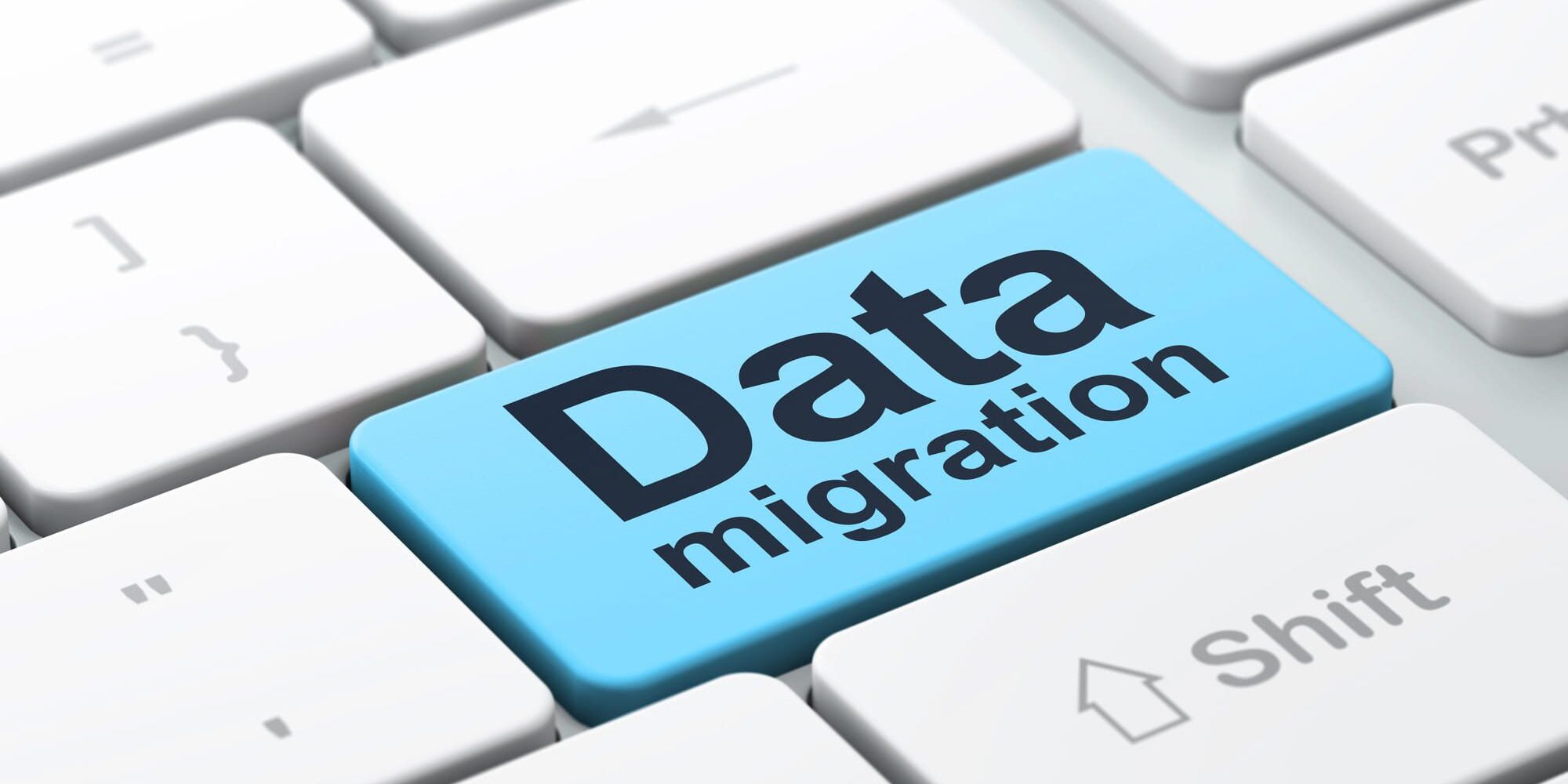
There are awesome benefits to a migration … but only if IT gets it right.
It’s usually said in a meeting where the clock is ticking, the go-live date is looming and someone has just discovered something inconvenient, like inconsistent data structures, missing metadata, ROT (redundant, obsolete or trivial data) or thousands of embedded file links whose status is unknown.
In that moment, “fix it after” can sound like a perfectly reasonable compromise. Move the data now. Clean it up later. After all, the new system will make everything better … right?
Unfortunately, that approach is one of the most common ways migration projects drift into trouble. For IT managers, migration consultants and project teams, postponing problems rarely makes them smaller. In my experience, it usually makes them far more complicated and expensive to fix.
I’d like to discuss why the “we’ll fix it after” mindset is risky, and why successful migration strategies address issues before and during the move rather than hoping to clean up the mess afterward.
1. Migration Is More Than Just “Moving Data”
One reason the “fix it later” strategy appears tempting is that migration is often misunderstood. To someone outside the project, data migration may sound simple: Transfer the information from System A to System B and call it a day. But anyone who has worked on a migration knows that it’s more like relocating an entire city than merely moving a filing cabinet.
Data is interconnected. Systems rely on complex relationships between files, records, databases and applications. Break one dependency and suddenly reports fail, workflows collapse and users start seeing error messages.
This complexity explains why migration projects frequently encounter unexpected issues. In fact, nearly 50% of data migrations exceed their planned budget or timeline due to unforeseen complications, accordingto industry research from Accenture.
When teams decide to “fix things later,” they’re effectively pushing those complications into the live environment — where the consequences are far more visible.
Anyone who has worked on a migration knows that it’s more like relocating an entire city than merely moving a filing cabinet.
2. Why You Should Protect Links Before Migration
Let me describe a typical scenario. During migration testing, the team discovers that thousands of file links won’t map correctly in the new system. These links connect important files of all types, containing, for example, key financial data. Someone on the data migration project notices that these connections will be broken during migration. But instead of resolving the mapping issues, someone suggests addressing them after go-live (aka: post migration). Big mistake.
The migration launches on schedule. Celebration ensues.
Two days later, the help desk lights up. And keeps lighting up for weeks after that.
Broken links appear in knowledge bases, customer portals and internal documentation. Business users begin manually hunting for files. The finance department is losing its collective mind. Productivity drops and the IT team is suddenly wading through a mountain of unanticipated work that wasn’t included in the budget.
What initially seemed like a quick shortcut has now escalated into a full-blown repair project. But why?
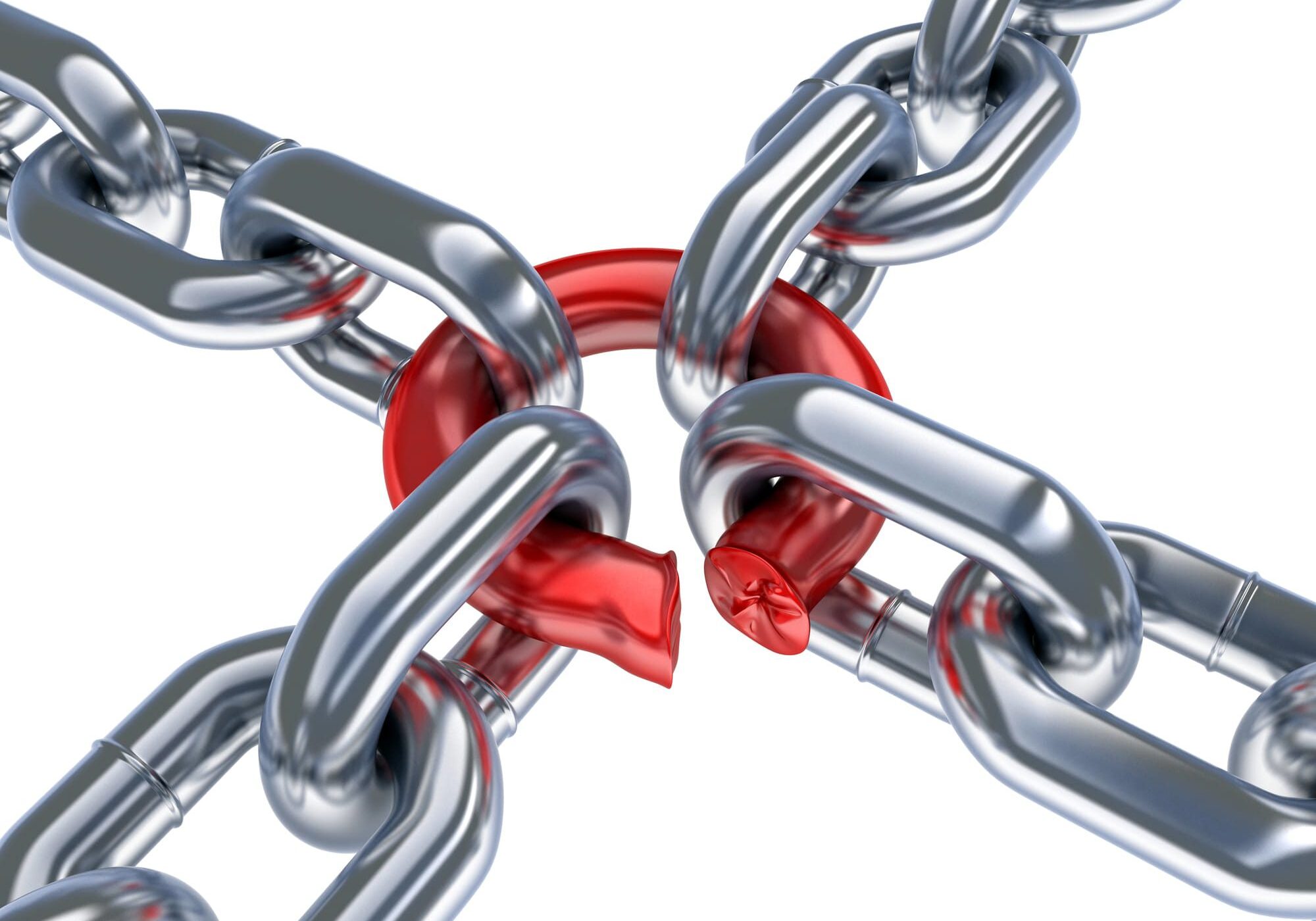
How do you protect your linked data?
Systems rely heavily on relationships between data elements. Documents link to other documents. Records reference other records. Apps depend on structured connections between systems.
When those links break during migration, the impact can cascade across multiple systems.
And here’s the catch: Fixing issues post-migration is usually far more expensive because the system is already in production. Every correction risks disrupting live operations.
Furthermore, once the system is live, repairing those relationships becomes much harder. Users may already be editing records, creating new content and inventing “creative” workarounds that appear to solve the problem … until the workaround itself becomes the next problem.
Protecting links before migration may take a few hours. Rebuilding thousands of broken links afterward can take months that you simply can’t afford.
3. Clean Up ROT Before You Move
Another problem with the “fix it later” strategy is that it often transfers technical debt from the legacy system into the new environment. And what’s the point of a new environment plagued with the same old problems?
Legacy platforms accumulate years of inconsistencies: duplicate records, outdated formats, undocumented dependencies and incomplete metadata. If these issues aren’t addressed before migration, they simply reappear in the new system, sometimes in worse form.
Poor data quality is one of the most common causes of migration failure. Incomplete, duplicate or inconsistent data can cause mapping errors, corruption and operational disruptions during and after the transition.
Think of it this way: Migration is an opportunity to clean house. If you simply pack everything into boxes and move it without sorting, the clutter doesn’t disappear. It just ends up in a nicer living room.
What’s the point of a new environment plagued with the same old problems?
What’s more, the time and cost of moving increase with the amount of stuff you have to move (duh). So why move a bunch of stuff you don’t need? For the same reason that people often throw away stuff and have yard sales before moving to a new home, you should do the same before migrating your data.
4. Validate and Test Before Go-Live
Organizations that fail to validate data integrity during migration run the risk of corrupted records and inaccurate business insights.

Don’t underestimate the value of testing. It provides eagle-eyed insight that can help prevent chaos.
Migration errors rarely stay small.
A single inconsistency, like a mismatched field format, can propagate through reporting systems, analytics tools and automated processes. Over time, small discrepancies can distort dashboards, financial reports or customer data.
5. Why Teams Fall Into the “Fix It Later” Trap
Despite the risks, many organizations still fall into the “fix it later” mindset. Usually, it’s not due to negligence, but pressure.
Common reasons include:
- Aggressive timelines. Migration deadlines are often tied to software upgrades or contract expirations.
- Incomplete discovery. Teams frequently underestimate the complexity of legacy systems.
- Resource constraints. It’s not uncommon for there to be insufficient time or staff to prepare data thoroughly.
- Stakeholder pressure. Leadership often prioritizes launch dates over migration quality.
“Creative” workarounds seem to solve the problem … until the workaround itself becomes the problem.
Ironically, these same pressures often intensify after go-live when unresolved issues start affecting users. And by that point, the cost of fixing them has multiplied.
A Better Migration Philosophy

Over time, small discrepancies can snowball into problems you don’t want.
There’s a positive way to look at all this.
A migration project is one of the rare moments when organizations can step back and evaluate their data landscape. It’s an opportunity to eliminate redundant content, repair broken relationships, improve governance and modernize information architecture.
Handled correctly, migration becomes a strategic improvement, not just a technical exercise.
Handled poorly, it becomes an expensive exercise in recreating old problems in a shiny new system.
The Last Word
The bottom line is that 25 years in the industry have left me with a soft spot for data migration and a healthy respect for the potential chaos broken links can cause.
“We’ll fix it after” might sound like a practical compromise during a busy migration project. But in reality, it’s often the beginning of a much larger problem.
Data migration is one of the few IT initiatives where prevention is dramatically cheaper than repair. Once the new system goes live, every unresolved issue becomes harder to trace, riskier to fix and more disruptive to the business.
25 years in the industry have left me with a soft spot for data migration and a healthy respect for the potential chaos broken links can cause.
In other words, the most dangerous migration strategy isn’t poor technology or the wrong platform. It’s assuming the cleanup can wait.
Because in data migration, “later” has a way of arriving much sooner — and costing much more — than anyone expected.

LinkTek COO
Ed Clark

Feel free to share this article on your social media:
Recent Comments
- No recent comments available.


 ChatGPT,
 Gemini,
 Claude and
 Copilot
Leave a Comment