A migration starts with a plan that feels solid. Then, somewhere along the way, things shift. Timelines stretch. Unexpected issues surface. Costs creep up. And suddenly, your migration isn’t going the way anyone expected.
That’s not unusual. In fact, many data migration projects fail or underperform more often than you might expect. Research has found that up to 75% of data migration projects fail to meet their objectives, run over budget or exceed timelines.
In addition, studies of enterprise migrations show that 73% of migration failures are caused by execution issues such as poor discovery, missed dependencies and inadequate planning rather than technology limitations.
These numbers highlight how critical planning and risk identification are before starting a migration.
Knowing how, how often and why these problems happen gives you an edge. It helps you plan smarter, spot risks earlier and avoid getting caught off guard.
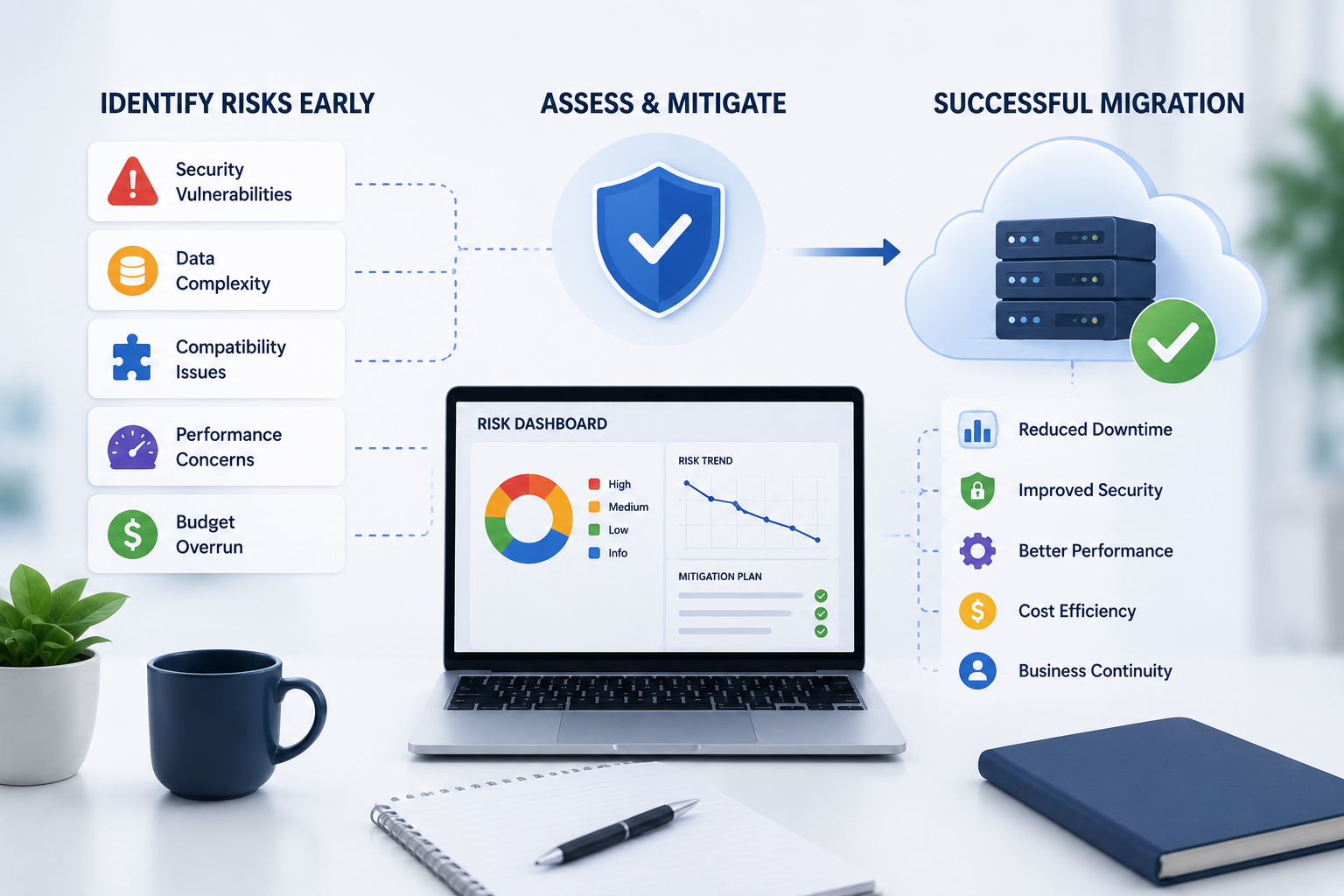
The following statistics highlight why organizations need to take data migration risks seriously and prepare for potential challenges.

Migration Projects Frequently Go Over Budget
Cost overruns are one of the most common challenges in migration projects. For example:
- 41% of hybrid cloud migrations exceed their planned budgets due to data transfer costs and infrastructure complexity.
- 38% of companies report cloud migration costs exceeding initial estimates by more than 25%.
Unexpected integration issues, hidden dependencies and underestimated data complexity often drive these additional costs.
Technical Issues Are Common During Migration
Even when migration projects are carefully planned, technical issues frequently occur.
Industry surveys report that:
- 45% of enterprises encounter technical failures due to data compatibility issues during migration.
- 35% of cloud migration projects fail because of poor data quality or a lack of data cleansing before migration begins.
These problems often surface late in migration projects when correcting them becomes more expensive.
Downtime and Performance Problems Are Common
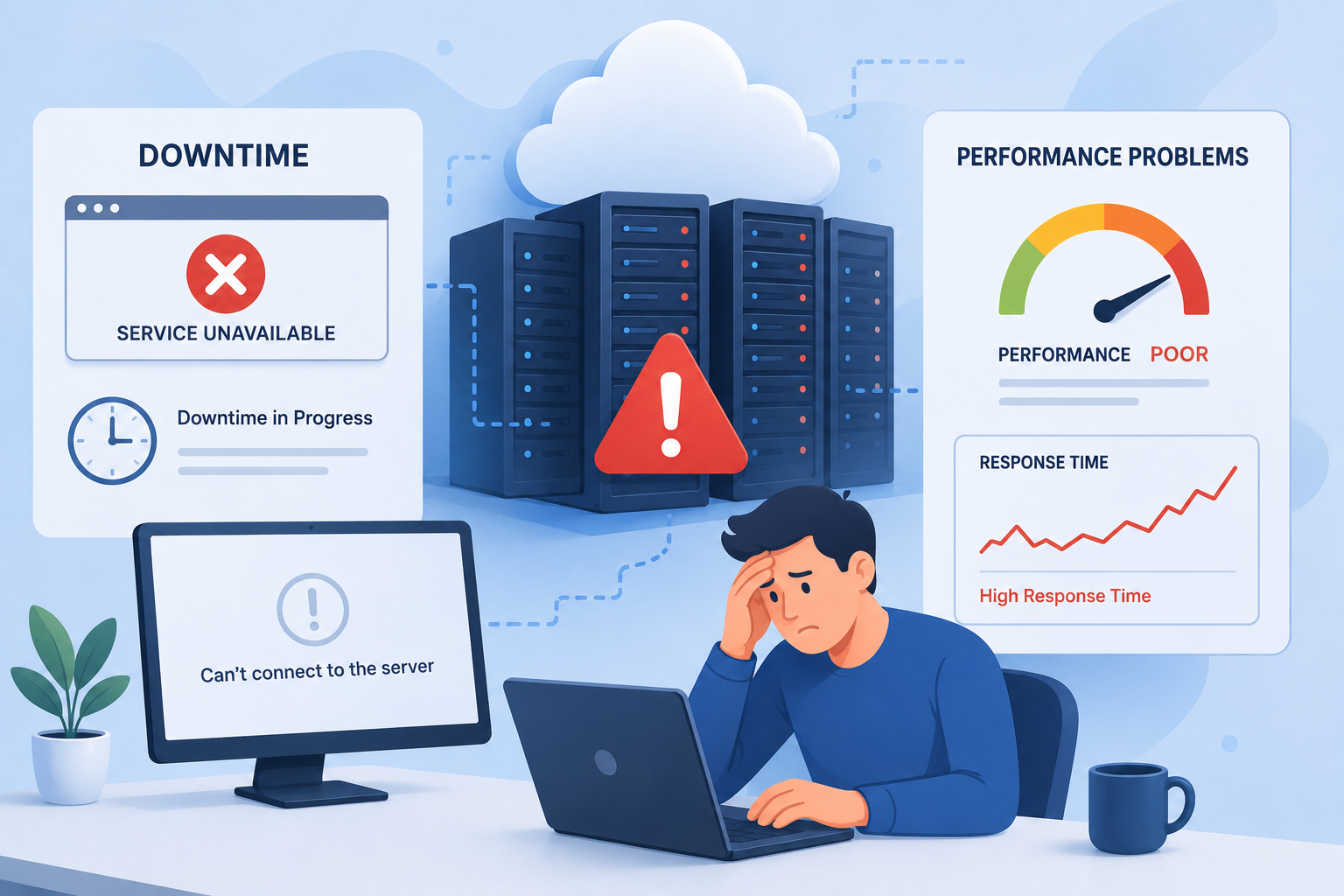
Migration projects can temporarily disrupt operations if systems are not carefully managed during the transition. Studies show that:
- 51% of cloud migrations experience downtime that exceeds the planned maintenance window during cutover.
- 41% of organizations experience performance degradation after migrating legacy applications to the cloud.
Proper planning, testing and validation are essential to minimize these disruptions.
Early Risk Identification Improves Migration Success
Identifying document dependencies and system relationships ahead of time can help prevent many common data migration problems, including workflow failures and data loss due to broken links.
Do you know how many links are contained in your data? Are they working or broken? Do you know where they’re located and in what file types?
Go ahead and scan your data for link dependencies using the free Link Reporter tool.
Why These Statistics Matter
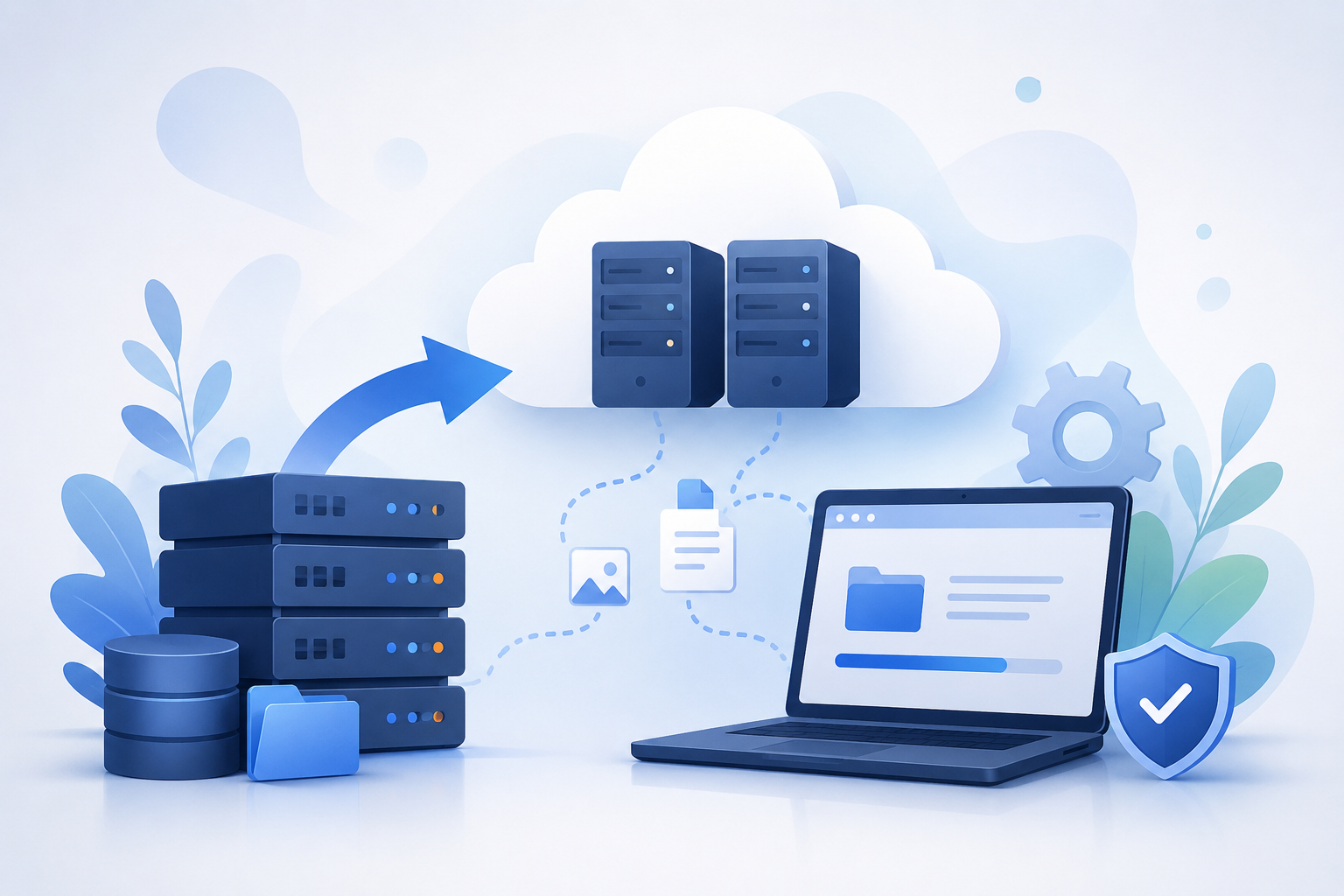
These statistics reinforce an important fact: Data migration is far more complex than simply moving files from one location to another.
Organizations that proactively identify data migration risks, use specialized data migration tools and plan for potential data migration problems dramatically increase their chances of migration success.

1805 Drew Street
Clearwater, Florida 33765
Phone: 727-442-1822
E-mail: LinkMail@LinkTek.com


 ChatGPT,
 Gemini,
 Claude and
 Copilot